01
Visual Identity
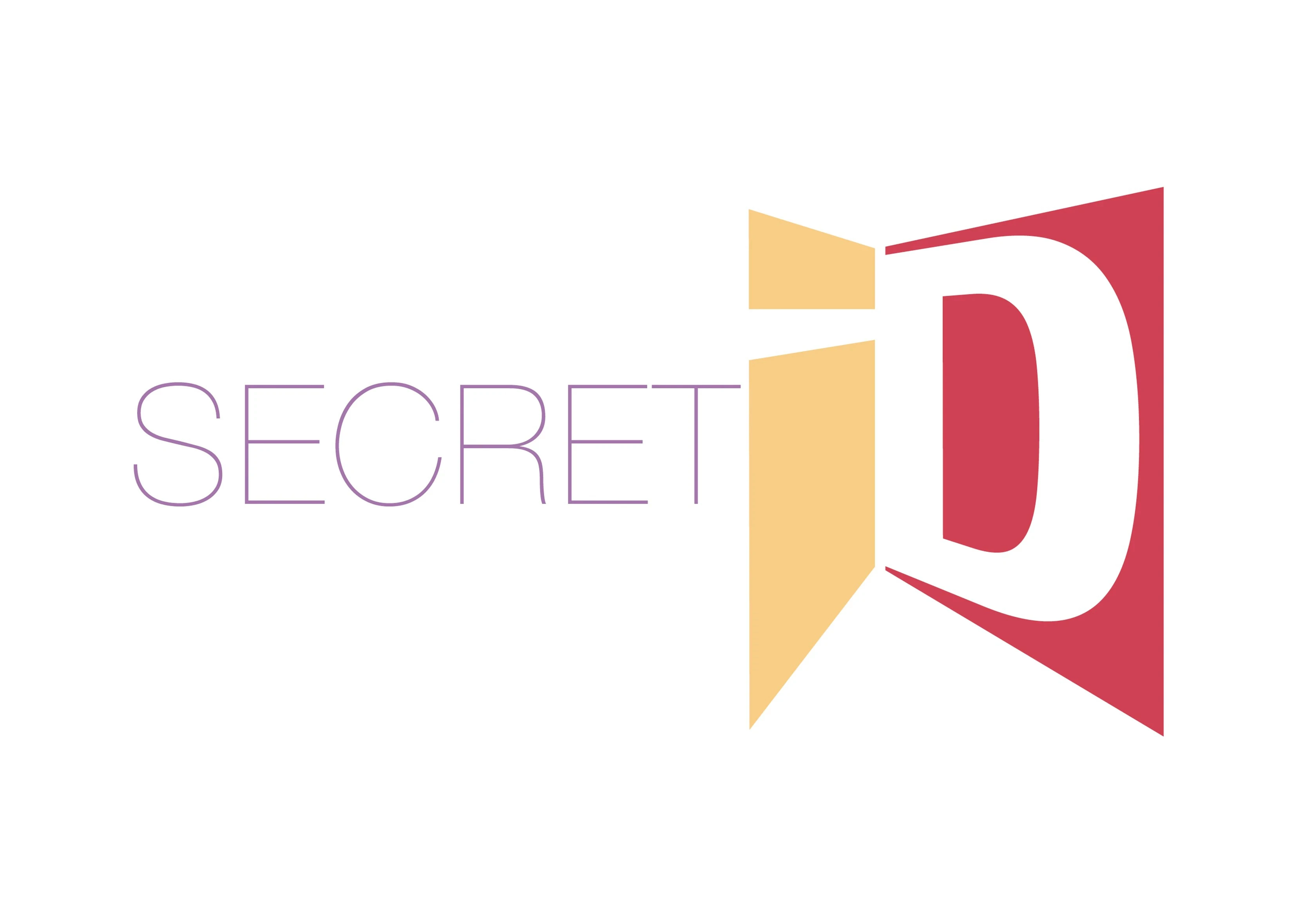
Created the Funwe identity direction through logo design, color tone, typography, and visual style to establish a recognizable brand personality.
A conceptual brand-to-product system for an entertainment brand, connecting visual identity, print materials, packaging, and user-facing card game components into one cohesive experience.


Funwe is a conceptual brand identity project focused on creating a playful and recognizable visual system for an entertainment company and its card game product, Secret.
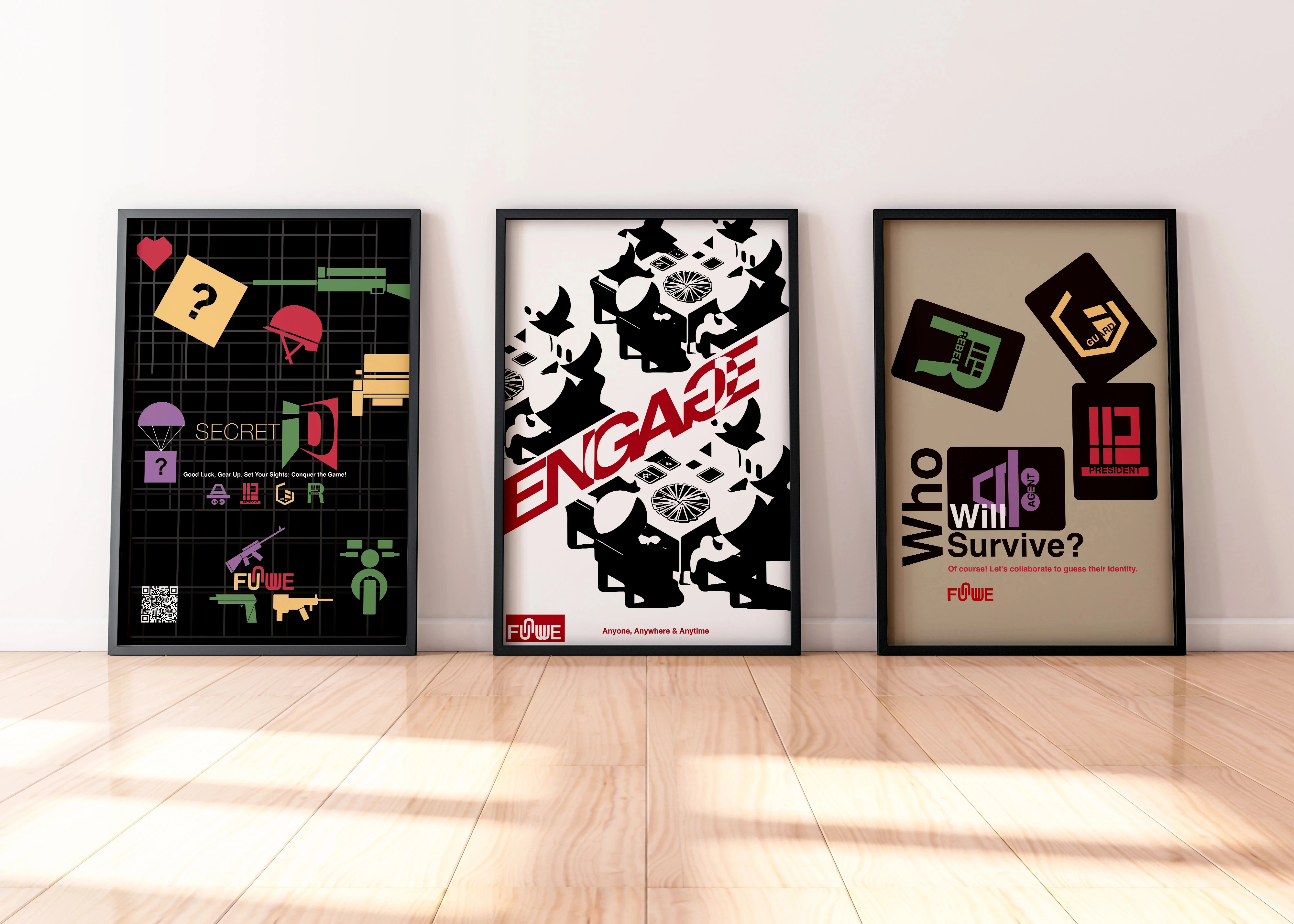
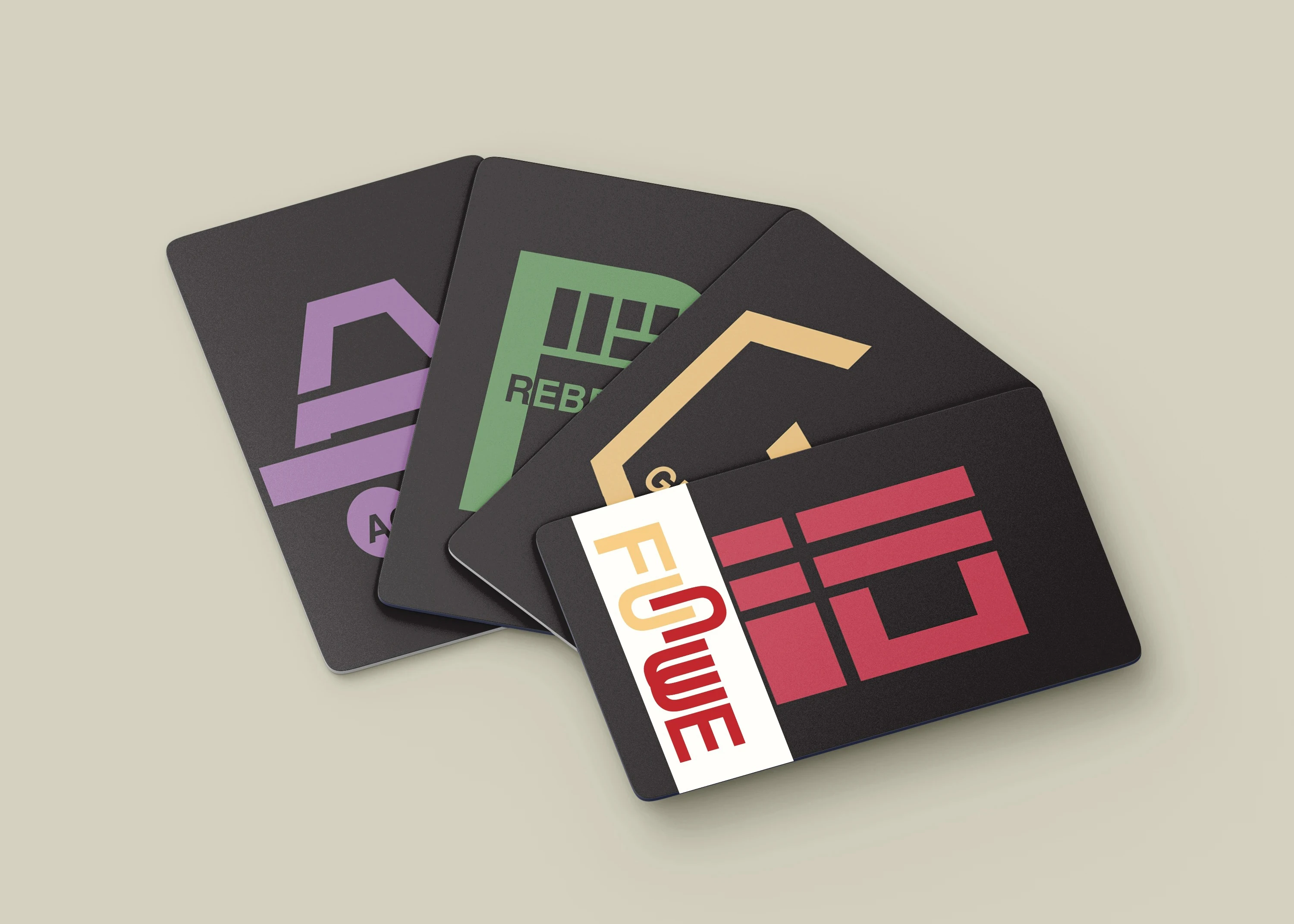
The project includes logo design, brand manual layout, business cards, posters, packaging, game cards, board design, and manual design. Instead of treating each item as a separate graphic, I designed them as connected parts of one system that moves from brand identity to product experience.
The goal was to create a consistent brand experience across corporate identity and product touchpoints, while keeping the game materials readable, engaging, and easy for players to recognize and use.
A brand and product design case study combining visual identity, printed materials, packaging, and user-facing game communication.
Developed a consistent visual language across logo, typography, promotional materials, packaging, game cards, board layout, and manual design.
Adobe Illustrator, Adobe Photoshop, and Adobe InDesign.
The main challenge was making the Funwe brand feel consistent across different formats. The system needed to work not only as a company identity, but also as a playable product experience for the card game.
Each design piece had a different purpose: the logo introduces the brand, the business card supports professional communication, the posters build visual tone, and the game components need to be clear, scannable, and usable during play.
This required a balance between visual creativity, practical readability, and product clarity, especially for the manual, cards, board, and packaging.

The project was organized around three connected design goals: visual identity, brand consistency, and product usability.
Created the Funwe identity direction through logo design, color tone, typography, and visual style to establish a recognizable brand personality.
Applied the visual system to business cards, posters, and brand manual layouts so the identity could remain consistent across communication formats.
Extended the brand into the card game product, including packaging, game cards, board design, and manual design for a complete user-facing product experience.
Although this is primarily a branding project, it also connects to UX thinking through readability, rule clarity, visual hierarchy, and the way players interact with the manual, cards, board, and packaging.
Selected visual outputs showing how the Funwe identity extends across corporate identity, print materials, packaging, and game-related product design. Click each image to view a larger preview.
The final system presents Funwe as a cohesive entertainment brand with a clear visual personality and a connected product experience. The project demonstrates my ability to build a design system that works across brand identity, print, packaging, visual hierarchy, and user-facing product materials.